Context
Two communities, one distance problem.
Mbah and Dom are remote rural communities where women still deliver at home, because of the distance to Ndu District Hospital, poor roads, lack of transport and limited health education. Child mortality from preventable causes such as malaria, diarrhoea, pneumonia and malnutrition remains high. Investing in maternal and under-five care changes that, in six connected ways.
Read the Mbah & Dom project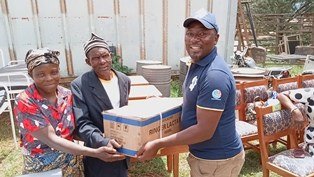
The Chain of Change
One solar panel, five outcomes.
Electricity at a rural health centre is not a comfort. It is the precondition for almost everything else the centre is supposed to do.
Light
Deliveries at night become safe. Staff can examine, suture and monitor after dark.
Cold chain
Vaccines and life-saving drugs can be stored, so immunisation coverage rises.
Sterilisation
Simple procedures requiring power become feasible, cutting infection.
Staffing
A properly equipped centre can recruit and keep qualified nurses.
Trust
Women choose the health centre over home delivery, and referrals happen earlier.
Impact Areas
What changes when mothers and children are cared for.
01 · Saving lives immediately
- Drastic reduction in maternal deaths from bleeding, infection and prolonged labour, through prenatal education and timely referral.
- Fewer neonatal and under-five deaths from malaria, diarrhoea, pneumonia and malnutrition.
- Fewer stillbirths and complications.
02 · Healthier children and better growth
- Well-nourished children with proper growth monitoring.
- Higher immunisation coverage.
- Better brain development and school performance: healthy early years mean better learning.
03 · Empowerment of women and girls
- Mothers educated on prenatal care, nutrition and family health become health leaders in their households.
- Girls stay in school longer as teenage pregnancy complications and early motherhood risks fall.
- Mothers regain strength quickly and return to farming and income activities.
04 · Economic impact for the community
- A healthy mother can farm, trade and care for her family. No health means no productivity.
- Families save money currently spent on emergency transport to Ndu or Kumbo.
- Fewer funeral expenses and less loss of productive youth.
05 · Stronger community, weaker poverty cycle
- Healthy children attend school regularly: Mbah GS and Dom GS see better attendance.
- Breaks the cycle of poor mother, sick child, poor school performance, poverty.
- Communities trust and use health services more.
06 · Long-term development for Cameroon
- Contributes directly to Cameroon's commitment to Sustainable Development Goal 3: good health and well-being.
- Reduces pressure on Ndu District Hospital, because cases are prevented early at community level.
- Creates jobs for community health workers from Mbah and Dom themselves.
Accountability
How we report.
Every partner and donor receives annual reports, field photographs and project updates. Handovers are documented with the receiving institution, and 100% of field donations go to field projects.
Annual reports
Programme spending, activities delivered and indicators tracked, published each year.
Field updates
Photographs and short written updates from the communities where work is under way.
Signed handovers
Equipment records signed by the receiving health centre or school on handover day.
Community verification
Volunteers and local leaders confirm what was delivered and what is still working.